

How to Prevent Dampness in Walls? Top Dampness Solutions for Your Home
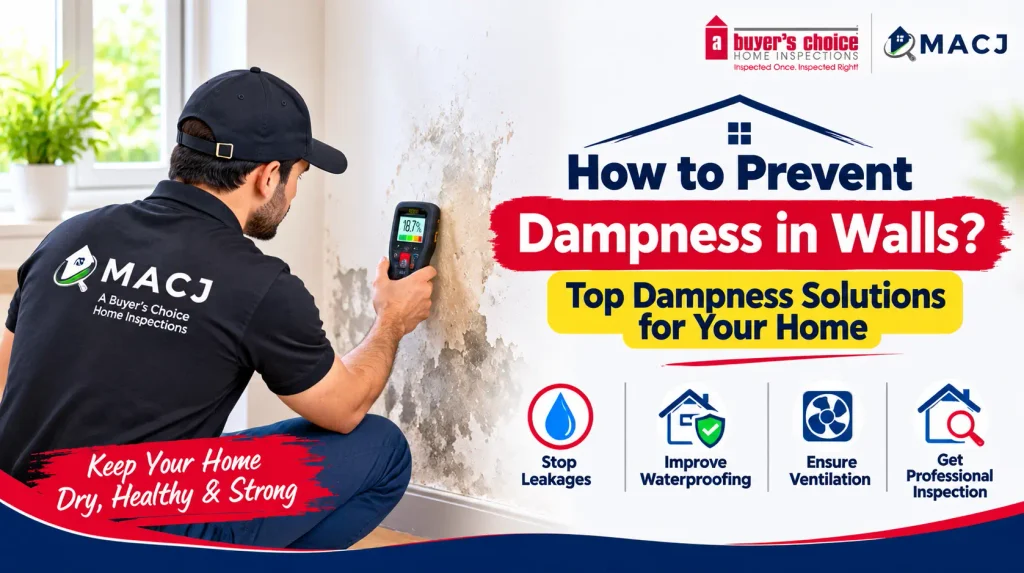
Top Dampness Solutions for Your Home One of the frequent issues in Indian household is the dampness of walls, particularly in the monsoon season. It can lead to peeling paint, bubbling plaster, white salt deposits, musty odors and dark patches on walls. Absence of treatment can cause problems with interior finishes, and cause conditions to become favourable to mould growth.
Writing
Some moisture problems can affect more than just your walls. Water seepage near concealed wiring or electrical fittings may also raise safety concerns. A professional home inspection can help identify potential moisture-related defects and electrical issues. Read our guide on hidden electrical problems in new homes that a professional inspection can detect to understand why checking hidden electrical systems is important for home safety.
The silver lining is that the dampness can be avoided by homeowners if they know where it is coming from and what steps can be taken to fix the problem.
1. Identify the Source of Dampness
Before you repair a damp wall, determine what the source of the moisture is. Typical culprits are leaking water pipes, seepage through roofs, leakage from bathrooms, inadequate drainage and ground rising dampness.
Pay attention to areas that have puddles after rain, near bathrooms, around windows or along the bottom of walls. While these patterns can help rule out some of the possible causes, it may be necessary to have a professional inspection to determine the cause.
2. Repair Plumbing Leaks Immediately
Even when there is initial dampness on the wall surface, leaking water pipes behind the walls can result in ongoing moisture issues.
Regularly inspect plumbing and bathroom fittings. Check walls next to kitchens and bathrooms for dampness.
Fix pipes and open joints as soon as possible.
Keep an eye on repaired areas to make sure moisture does not return.
Preventing further damage to the wall by fixing the leak before painting.
3. Improve Roof Waterproofing and Drainage
Likewise, balcony blockages and ineffective rainwater management can result in seepage. Flush out roof drains, look for visible cracks and repair damaged waterproofing as needed. Make sure rainwater does not pool near the outer walls and foundations of the building.
4. Maintain Proper Ventilation
This moisture will, over time, facilitate condensation and mould growth. Provide fresh air in rooms where possible, install exhaust fans in bathrooms and kitchens and don’t stack furniture up against constantly moist walls. A dehumidifier can also be used in rooms that have a consistently high humidity level.
5. Use Suitable Waterproofing Treatments
Sealants may be necessary for cracks in the external walls and a waterproofing system may be needed for seepage in the roof. But just painting the walls with waterproofing paint is not enough to cure an active plumbing leak or moisture leak. Never repair, primer or repaint before first solving the problem.
6. Schedule a Professional Home Inspection
A professional home inspection will be able to detect some visible warning signs and investigate the potential cause of moisture with the proper inspection procedures. MACJ – A Buyer’s Choice Home Inspections, Gurugram assists the homeowner in knowing the condition of the property and if any defect or concern is there, it will be identified and the concerned person has to investigate it. With a professional inspection, you can consider repairs, maintenance and preventative measures, and choose wisely.
Conclusion
The first step to avoiding wall dampness is early detection, maintenance, and correct remediation of moisture problems instead of just applying a paint coat to spots that are visible. Regularly check walls, plumbing, roof and drainage system particularly before and after the monsoon season. If you see any recurring damp patches, peeling paint or unexplainable moisture, then think of the help of MACJ – A Buyer’s Choice Home Inspections in Gurugram as a professional home inspection. Early detection of potential issues can mean that you won’t be having to make the repairs again, protecting your home, and living in a healthier environment.
