
Electrical Inspection Checklist Before Buying a Property
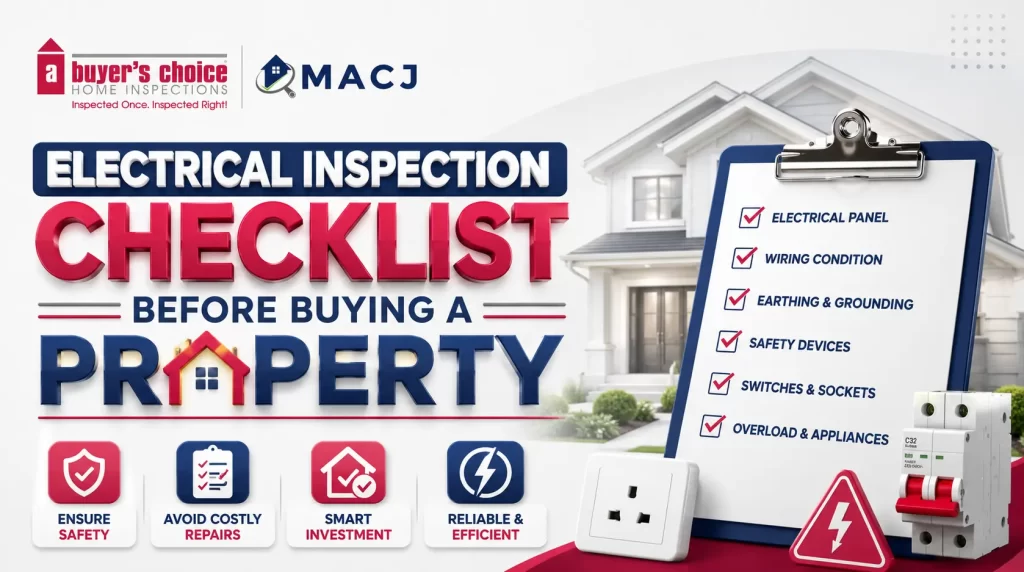
Electrical Inspection Checklist Before Buying a Property purchasing a home is one of the largest financial choices that you can make. When buying a house, customers tend to concentrate on the place, building quality, flooring, plumbing, paint and inside, however one important space that is often neglected is the electrical system.
A standard home inspection might not detect electrical issues. If there are any electrical issues such as faulty wiring, overloaded wiring or circuits, poor earthing, damaged sockets, or inadequate electrical protection, it can pose safety hazards and result in costly repairs after moving in.
This is why an electrical inspection checklist before buying a property is important for identifying potential electrical issues before they become costly problems.
When you are looking to purchase a new apartment, resale flat, independent house, villa or investment property, it is essential that you review the electrical system as part of your property due diligence.
Why Is an Electrical Inspection Checklist Important Before Buying a Property?
Electrical systems are typically hidden within walls, ceilings and floors. This places an ordinary purchaser at a disadvantage to know if the wiring and electrical pieces have been installed properly.
There are cases where a property might appear to be finished, but suffers from issues like:
- Wrong or inadequate earthing
- Loose electrical connections
- Damaged wiring
- Overloaded circuits
- Worn-out MCB/safety devices
- Worn out switches and sockets.
- Exposed wires
- Improper electrical installations
- Signs of overheating
High load appliances connected in an unsafe manner.
These issues can go undetected and lead to common power surges, damage to appliances, electric shock and, in extreme situations, fire.
Using a proper electrical inspection checklist, a buyer can evaluate the most important electrical components in a systematic way before deciding to purchase a car.
Electrical Inspection Checklist Before Buying a Property
Use this electrical inspection checklist to review the key electrical components before buying a property.
Look at the Main Electrical Panel. Inspect the Main Electrical Panel.
Work from the main distribution board (also called the electrical panel).
Check whether:
- The panel is installed correctly and easily accessible.
- Circuits are well labelled.
- Correct installation of MCBs.
- No loose wires are present.
- There are no signs of overheating or burning.
- The panel is dry and rust free.
- The internal wiring of the panel has been adequately terminated.
A poorly organised, or poorly maintained, electrical panel might be an installation or maintenance problem.
Check Electrical Wiring
One of the most crucial aspects of reviewing is the condition of electrical wiring.
Search for indications of:
- Damaged insulation
- Exposed wires
- Loose connections
- Burn marks
- Melted insulation
- Improper joints
- Temporary wiring
- Cables that are old or out of good condition.Rusty or aged cables.
Older properties should be given special consideration in terms of condition and capacity of existing wiring.
If wiring is hidden, professional testing might be required as it’s not possible to see all problems by looking.
Earthing and Grounding
Earthing is a critical aspect of electrical safety.
The earthing system may offer a safe means of current flow in the event of a fault and may help minimize the potential for electric shock.
Check earthing arrangements are available and operating at electrical inspection.
Electrical measurements may be carried out as part of a professional inspection to assess if the system is operating safely.
Check MCB, RCCB and Other Safety Devices
Appropriate protective devices should be provided on modern property, in accordance with the electrical system and requirements.
Check the condition and operation of devices such as:
- MCBs
- RCCBs/RCDs
- RCBOs
- If available, use surge protection devices.
The protection is of particular importance for RCCB/RCD types which can be used to protect from electric shock due to leakage current.
Installation of a protective device does not ensure a safe electrical system. It should also be determined whether it is in good or bad condition, and if it was properly installed and operated.
Test Switches and Sockets.
All accessible switch and socket should be tested.
Look for:
- Loose switches
- Cracked plates
- Broken sockets
- Discolouration
- Sparking
- Excessive heat
- Loose connections
- Improperly fitted outlets
Where applicable, the polarity and other electrical characteristics of sockets should also be checked.
Remember to pay special attention to sockets that are used by high power appliances like air conditioners, geysers, ovens and washing machines.
Check for Burned Out Light Fuses
There are numerous high power appliances in modern homes.
Electrical systems can be put under strain by air conditioners, geysers, induction cooktops, refrigerators, washing machines and other appliances.
At the time of the inspection, ascertain if circuits are designed appropriately for their load.
Some indicators are:
- Frequent MCB trips
- A permanent extension board being used.
- Two or more appliances that are connected to the same outlet and have a high demand.
- Hot sockets
- Flickering lights
- Burning smells
These are indications that should not be overlooked.
Inspect Lighting Points
Inspect accessible light points on premises.
Check for flickering lights, loose fittings, and broken outlets as well as any inconsistent operation.
If lights blink often, there’s a reason and it should be determined.
Document the results of the checks.
Record the results of the checks.
If there is a high load appliance in a property, it should have adequate electrical provisions.
Make sure connections and dedicated points are checked for:
- Air conditioners
- Geysers
- Washing machines
- Ovens
- Microwaves
- Induction cooktops
- Dishwashers
- Water pumps
- Other large electrical gear
The capacity and safety of the electrical equipment that supplies these appliances should be appropriate for the appliances to be operated.
Check the cooking appliances
The kitchen is equipped with various electrical appliances and needs special attention.
Inspect sockets and circuits around:
- Refrigerator
- Microwave
- Chimney
- Oven
- Dishwasher
- Water purifier
- Induction cooktop
Electrical outlets need to be located and prevented from potential contact with water.
Do not use temporary wiring or use extension boards as a permanent fix.
Check Bathroom Electrical Safety
Bathrooms may need special attention since there’s an added potential for safety issues with electricity and water.
Check readily visible electrical fittings, switches, exhaust fans, geyser connections and other electrical systems.
Ensure that electrical installations are suitably located clear of areas where direct water contact may be possible.
Special attention should be paid to geyser wiring and protection.
Check Outdoor Electrical Points
Balconies, gardens, terraces, parking areas and external electrical points, if present, should be checked.
Check for:
- Exposed wiring
- Damaged outdoor sockets
- Loose fixtures
- Water exposure
- Improper cable protection
- Corrosion
Moisture and weather conditions can cause outdoor electrical installations significant damage.
Test Inverter, UPS and Generator Connections
In the case of an inverter, UPS or generator connection, check that the connection is installed correctly.
Back-power connections can pose safety issues and lead to unwanted back-feeding into circuits if it is not performed properly.
These installations must be evaluated by a competent professional, if required.
Common Electrical Defects Found in Properties
Some electrical problems are more prevalent than others during the time of a property inspection.
These may include:
The poor and inadequate earthing condition.
Earthing practices can pose an electrical risk if not done correctly, and should be evaluated by an expert.
Loose Electrical Connections
Loose connections can produce heat that can eventually damage components.
Overloaded Circuits
The electrical system installed in older homes may not be able to handle the load or power demands of the home’s current appliances.
Damaged Wiring
Old, deteriorated or physically damaged wiring may require replacement.
Faulty Protection Devices
Poorly installed or faulty protective devices can reduce electrical safety.
Improper DIY Modifications
Electrical alterations which may not be done professionally can pose hidden dangers.
Exposed Wires
Never discount the need for protecting exposed conductors or poorly protected connections.
Electrical Warning Signs Buyers Should Never Ignore
When viewing a home, keep an eye out for these signs:
- Smell of burning around electrical panels or sockets.
- Flickering lights
- Circuit breaker frequently trips
- Warm or hot sockets
- Blackened switches
- Sparks from outlets
- Exposed wires
- Buzz or hum from any electrical parts
- Loose sockets
- Repeated appliance failures
- Abnormal electric shocks or sensations of tingling.
If you see any of these symptoms, you should have the electrical system professionally checked before buying the home.
DIY Electrical Check vs Professional Inspection
For commercial and industrial properties, a detailed building inspection can also help identify electrical, structural, plumbing and other safety-related concerns before they become costly problems. Learn more about building inspections for commercial and industrial spaces.
Making a basic visual inspection can help a buyer notice any major issues, but it’s not a substitute for a professional inspection.
An electrical inspection checklist can help buyers understand the key areas that should be reviewed, but professional testing is important when electrical defects are concealed or technical measurements are required.
Buyer can have a visual inspection of switches, sockets, electrical panels and visible wiring. But there are many electrical parameters that are important to test properly which needs proper equipments and knowledge.
A professional electrical inspection can do more than just look at the surface of a system and determine that it is safe; it can also consider the following factors:
- Electrical connections
- Earthing
- Circuit protection
- Polarity
- Voltage-related conditions
- Leakage-related concerns
- Wiring condition
- Distribution board condition
- High-load circuits
This is especially relevant when purchasing a high dollar home or a home that is older.
What Should You Ask the Seller or Builder?
Request appropriate electrical details and documentation (if available) prior to the purchase.
This can include:
- Electrical schemes or drawings
- Information about electrical installations.
- Details on significant electrical improvements.
- Information concerning back up power systems.
- Information on warranty for relevant equipment.
- Previous electrical repair records
- Inspection/ maintenance paperwork pertinent to the area.
When purchasing a new build, it is important for buyers to be aware of what electrical systems and electrical fixtures and fittings are included in the handing over.
Why Electrical Inspection Matters More in Older Properties
Older systems may have electrical systems that were designed for much lower household loads.
As time passed, more appliances or modifications and renovations may have been installed without upgrades to the electrical system.
This can result in:
- Overloaded circuits
- Multiple modifications
- Old wiring
- Insufficient outlets
- Improper connections
- Outdated protection
- Increased maintenance requirements
As a result, it is especially advantageous to have an electrical inspection performed if a resale or older property is being purchased.
How Much Can Electrical Defects Cost After Buying a Property?
The expense of electrical repairs will vary depending on the extent and magnitude of the problem.
If there is a minor problem, for example a damaged switch, it may be relatively inexpensive to repair, but if the electrical system needs to be extensively rewired or upgraded, it can become quite expensive.
The costs of repairs can be higher if the repairs include any of the following:
- Concealed wiring
- Wall breaking
- The replacement of Distribution boards.
- Upgrading circuits
- Rewiring multiple rooms
- Improving earthing
- Replacing broken electrical parts
At the time of purchase, the buyer can have a chance to negotiate repairs or take into account the estimated repair cost in deciding what to buy.
When Should You Get an Electrical Inspection?
An electrical inspection should be considered prior to finalising the purchase of the property, ideally.
- It’s really useful:
- However, before purchasing a resale, you should consider the following:
- When buying an old house, there are many points to consider.
- Before taking possession of a new apartment
- After major renovation
- A luxury property is a good investment opportunity, as long as you buy one before you buy it.
- With regular electric issues detected
- If the property has been altered numerous times.
An early inspection provides time to discuss defect issues with the seller, builder or appropriate contractor.
Final Electrical Inspection Checklist for Property Buyers
Before making a final property purchase decision, use this electrical inspection checklist to review the major electrical safety areas.
- Main electrical panel
- MCB/RCCB/RCBO protection
- Electrical wiring
- Earthing
- Switches and sockets
- Lighting points
- High-load appliance circuits
- Kitchen electrical points
- Bathroom electrical installations
- Outdoor electrical points
- Inverter/UPS/generator connections
- Signs of overheating
- Signs of damaged wiring
- Frequent circuit trips
- Electrical documentation
If there are any concerns regarding potential defects or the condition of the electrical system, a professional assessment should be considered.
FAQs About Electrical Inspection Before Buying a Property
Should the electrician inspect a property before the purchase?
Yes. An electrical inspection may be able to determine if there are any safety issues, wiring issues, overloaded circuits or other issues which might not be apparent during a standard home inspection.
What is involved in electrical inspection?
These areas are highlighted as being important: distribution board, wiring, earthing, protective devices, switches, sockets, high load circuits, lighting points, electrical installations in the kitchen, bathroom and outdoor areas.
How can I determine whether a property has unsafe wiring?
If there is visible damage, exposed wires, burning odors, discolored sockets, frequent circuit trips, sparks, and overheating, this may be an issue. But with buried wiring, it is important to have it professionally tested.
If I purchase an investment property should I have the electrical systems checked?
Yes. All new construction does not guarantee a trouble free electrical installation. Prior to possession an inspection may be useful to help establish if there are any installation or workmanship issues that can be rectified.
Are electrical inspections sufficient prior to purchase?
Electrical inspection involves the electrical system, but a full property inspection will also include aspects of structural, plumbing, seepage, water leakage, finishing and other building elements.
When can I have a property inspection?
The inspection should be made before the final purchase or possession so that you can make any necessary changes before you move in. This is a chance to look out for faults and to ask for the right thing to be done.
Protect Your Investment Before You Buy
Electrical issues can be concealed within walls, ceiling, and electrical panels and may look great on the outside.
When purchasing a major investment property, following an electrical inspection checklist can help buyers understand potential electrical risks before committing to the purchase.
A Buyer’s Choice Home Inspections provides home inspection services that could help help buyers spot potential electrical, plumbing, structural, seepage and construction quality issues before they turn into a costly post-purchase headache.
Buying a property? Don’t conduct only visual inspections. Check what is safeguarding your investment.
Get your property professionally inspected before you make the final decision.
Follow MACJ – A Buyer’s Choice Home Inspections on LinkedIn for practical property inspection tips, home maintenance advice, and updates on building safety.
